
AI call monitoring tools help banks analyse customer conversations at a scale that manual quality assurance cannot match. They can transcribe interactions, automate quality assessments, identify potential conduct and compliance risks, surface vulnerable customer indicators and direct human reviewers towards the cases that need attention.
For UK banks, the requirements go further than standard speech analytics. Call monitoring increasingly forms part of a wider approach to quality assurance, Consumer Duty monitoring and customer outcome testing.
The FCA requires firms to regularly monitor the outcomes retail customers receive from their products, communications and customer support. Firms also need to assess whether customers receive the information and support they need to make properly informed decisions.
That changes what banks should expect from AI call monitoring tools.
What are the top AI call monitoring tools for UK banks?
Some of the main AI call monitoring tools available to UK banks and financial services firms include Aveni Detect, NiCE Interaction Analytics and Quality Management, CallMiner, Zendesk QA and iCallify.
They address different parts of the problem.
| Tool | Primary focus | Relevant capabilities for banks |
|---|---|---|
| Aveni Detect | Financial services QA, compliance and customer outcome monitoring | Full-population monitoring, automated QA, risk prioritisation, vulnerability and complaint detection, Consumer Duty monitoring and case-level outcome testing |
| NiCE Interaction Analytics + Quality Management | Enterprise contact centre analytics and quality management | AI interaction analysis, automated scoring, sentiment, agent performance, omnichannel analytics and coaching |
| CallMiner | Conversation intelligence and automated QA | 100% conversation analysis, automated QA, customer insight and performance analytics |
| Zendesk QA + Voice | Customer service quality management | Voice QA, call transcription and summaries, quality evaluation and customer service analytics |
| iCallify | Contact centre infrastructure and monitoring | Call recording, live monitoring, transcription, sentiment analysis, routing and real-time analytics |
For UK banking compliance teams, the important distinction is whether the platform primarily analyses contact centre performance or can also assess the regulatory risks and customer outcomes contained within those conversations.
Aveni Detect was built specifically for regulated financial services. Its focus is therefore different from general-purpose contact centre analytics platforms. Detect applies AI to QA, compliance monitoring and customer outcome testing across calls and other customer interactions.
1. Aveni Detect
Best suited to: UK banks and financial services firms that want to expand QA coverage, identify regulatory risk and monitor customer outcomes.
Aveni Detect applies AI across customer interactions so compliance and QA teams can assess far more of the customer population than manual sampling allows.
Recorded calls can be automatically transcribed and assessed against a bank’s own QA and compliance frameworks. Detect then identifies potential issues and prioritises cases for human review, helping reviewers concentrate on higher-risk interactions rather than selecting calls at random.
This can include indicators relating to:
- customer vulnerability
- complaints and dissatisfaction
- customer understanding
- disclosure and communication
- conduct risk
- Consumer Duty
- customer support
- product-specific requirements
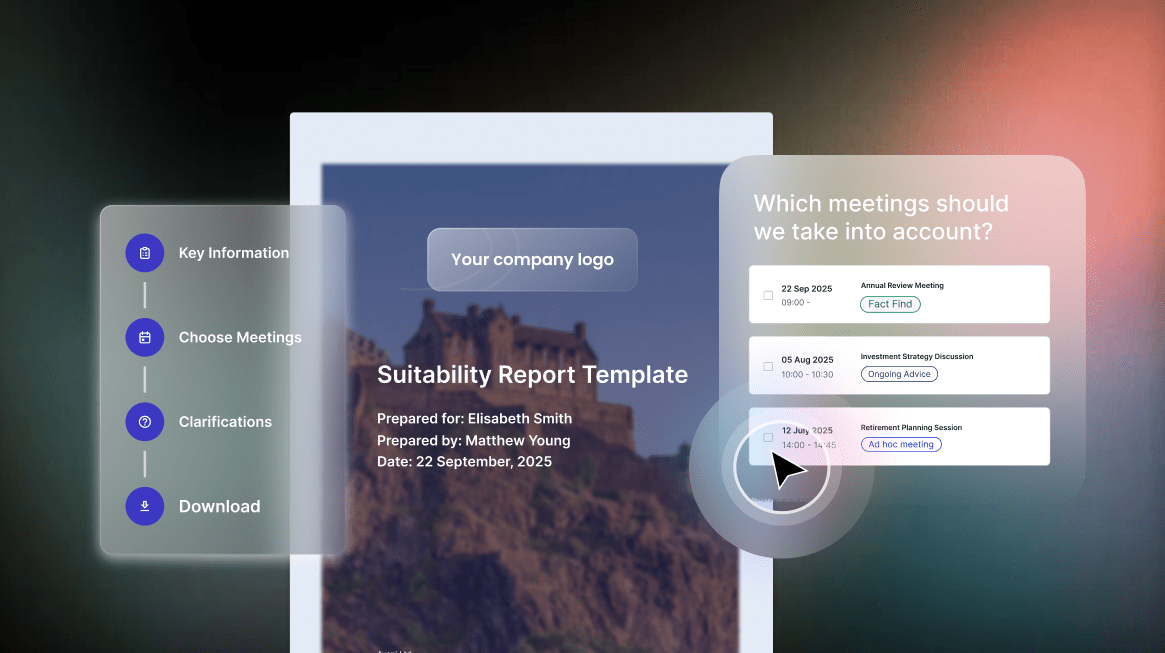
Detect also extends beyond individual call monitoring. Banks can assess calls, emails, webchat, SMS messages and supporting documents together at case level, providing greater context around the customer’s complete journey.
That matters because poor customer outcomes do not always appear in one isolated conversation. A complaint may begin through webchat, continue through email and become clear only after a later phone call. Reviewing those interactions separately can make the underlying issue harder to identify.
Detect brings the evidence into one workflow so teams can see what happened across the case, which risks were identified and what action followed.
Moving from sampled QA to risk-based review
Traditional banking call monitoring usually relies on human reviewers selecting a small number of calls and scoring them against an internal QA framework.
AI changes the economics of that process.
Instead of using human time to find problems within a random sample, banks can machine-assess a much larger population and use the results to direct reviewers towards the interactions most likely to require judgement.
Aveni customer Octopus Money, for example, increased interaction coverage from around 15–20% to 100% after introducing Detect while reducing overall QA review time by 50%. Human reviewers continue to validate flagged cases and use the resulting insight for training and root-cause analysis.
The aim is therefore not to remove human QA. It is to give human reviewers a better way to decide where their time will have the greatest value.
2. NiCE Interaction Analytics and Quality Management
Best suited to: large contact centres looking for broad interaction analytics, automated quality management and agent performance tools.
NiCE combines interaction analytics with AI-powered quality management through its CXone platform.
Its Interaction Analytics product analyses voice and digital conversations for areas such as sentiment, intent, customer behaviour and agent performance. NiCE says the platform can analyse every interaction and use automated QA to identify compliance issues and coaching opportunities.
NiCE Quality Management also provides automated interaction scoring using generative AI, along with evaluation summaries and coaching recommendations.
For banks with large enterprise contact centre estates, that breadth may be useful because analytics, workforce performance and quality management can sit within the same wider CX environment.
NiCE also has financial services deployments. Fifth Third Bank, for example, uses NiCE Interaction Analytics for customer sentiment, agent behaviours, automated interaction categorisation and coaching.
Its scope is broader than financial services compliance alone, so UK banks evaluating the platform for regulatory QA should consider how their specific Consumer Duty, vulnerability and outcome-testing frameworks would be implemented alongside the wider contact centre functionality.
3. CallMiner
Best suited to: banks looking for large-scale conversation analytics alongside automated QA and customer insight.
CallMiner provides conversation intelligence for financial institutions including banks, lenders, mortgage providers and brokerages.
Its financial services platform analyses voice and other customer interactions and provides automated QA across 100% of conversations. Teams can use the resulting data to examine agent performance, identify interaction trends and search for categories or keywords associated with particular customer behaviours.
This makes CallMiner relevant where the main objective is to combine call quality assurance with wider voice-of-the-customer and operational analytics.
Banks comparing CallMiner with more compliance-focused AI call monitoring tools should look closely at how each platform handles their individual risk taxonomies, regulatory frameworks, outcome testing and evidence requirements.
4. Zendesk QA and Voice
Best suited to: customer service teams that already operate extensively within Zendesk.
Zendesk combines voice support with AI-powered quality assurance capabilities.
Zendesk Voice can track customer conversations and surface performance trends, while its Voice QA capabilities can summarise calls and transcripts to speed up the quality review process.
For organisations already using Zendesk as their customer service environment, keeping voice, service workflows and QA within the same ecosystem may simplify operations.
Its core proposition remains broad customer service management rather than UK banking compliance, however. Banks should therefore establish whether their required conduct, vulnerability and Consumer Duty assessments can be represented with the depth and auditability required by their compliance teams.
5. iCallify
Best suited to: organisations looking for contact centre software that combines telephony, monitoring and operational analytics.
iCallify provides financial contact centre software covering voice, email, chat and other channels.
Its features include call monitoring and recording, transcription, sentiment analysis, CRM integration and real-time reporting. Supervisors can also monitor calls live, whisper guidance to agents or intervene when required.
This makes it more closely aligned with contact centre infrastructure and operational monitoring than specialised regulatory outcome testing.
For a bank replacing or consolidating its wider contact centre technology, those capabilities may form part of the buying decision. For compliance teams specifically trying to expand QA coverage and identify conduct risk, the evaluation criteria will be different.
What should UK banks look for in AI call monitoring tools?
The strongest banking call monitoring solution should do more than transcribe conversations or calculate sentiment.
UK banks should assess whether a platform can support six areas.
1. Coverage across the interaction population
Manual call quality assurance inevitably limits the number of interactions a bank can review.
AI call monitoring tools can machine-assess a much larger proportion of recorded interactions and use those assessments to identify where human review is required.
The important metric is therefore not simply the number of calls processed. Banks should establish what percentage of eligible interactions can be assessed against their actual QA and compliance criteria.
2. Risk-based case prioritisation
Increasing coverage only helps if reviewers can use the resulting information effectively.
A useful AI call monitoring platform should distinguish between routine interactions and those containing indicators that warrant closer attention.
This allows QA and compliance teams to move from random selection towards risk-based review.
Rather than spending limited QA capacity listening to calls that contain no material issues, reviewers can focus on interactions involving possible complaints, vulnerable customers, poor communication or other risk signals.
3. Consumer Duty outcome monitoring
Call monitoring can provide an important source of evidence for Consumer Duty.
The FCA says firms must regularly assess, test, understand and evidence customer outcomes. Its July 2026 outcomes monitoring guidance also emphasised the need to understand customers’ real experiences, identify potential harm and take action when problems emerge.
The FCA has also warned against relying too heavily on process measures that do not directly show whether customers received good outcomes. In its work on vulnerable customers, it specifically highlighted the limitations of relying on data showing whether staff handled calls according to process where that data did not directly measure the customer outcome.
Banks should therefore look beyond basic script adherence.
Call monitoring should help establish what happened to the customer, whether they understood the information provided, whether their needs were recognised and whether the interaction contributed to an appropriate outcome.
4. Vulnerability identification
Frontline conversations frequently contain information that cannot be captured effectively through structured fields alone.
Changes in employment, bereavement, illness, financial difficulty or difficulties understanding information may emerge naturally during a conversation.
AI can help identify relevant signals across a wider interaction population and surface cases for review.
The FCA and ICO have also made clear that firms should monitor whether customers in vulnerable circumstances experience worse outcomes and investigate the root causes where differences emerge.
That makes vulnerability monitoring an important consideration when comparing AI call monitoring tools for UK banks.
5. Evidence and auditability
An automated score has limited value if a reviewer cannot understand the evidence behind it.
Compliance teams need to be able to move from a risk flag or failed assessment to the relevant customer interaction, transcript, criteria and supporting evidence.
The same principle applies at a wider level. Management information should allow firms to identify trends, investigate root causes and demonstrate how identified issues were handled.
This becomes particularly important when artificial intelligence in banking moves deeper into compliance and risk processes. The AI needs to help teams retrieve evidence, rather than creating another score that requires interpretation elsewhere.
6. Human oversight
AI can expand the amount of information a QA team can assess, but material decisions still require appropriate human judgement.
A useful model is:
machine assessment → risk prioritisation → human review → action → evidence
AI handles the volume. Experienced compliance and QA professionals investigate exceptions, validate findings and determine the appropriate response.
That combination allows banks to increase oversight without requiring the compliance function to grow at the same rate as interaction volumes.
AI call monitoring vs traditional banking call monitoring
Traditional call monitoring and AI-powered QA serve the same broad purpose, but operate very differently.
| Traditional banking call monitoring | AI call monitoring |
|---|---|
| Reviews a sample of calls | Can assess the full eligible interaction population |
| Calls selected manually or randomly | Cases can be prioritised using risk signals |
| Reviewers listen to calls manually | Transcripts and AI assessments speed up review |
| QA findings depend heavily on sampled calls | Population-level trends become visible |
| Calls often reviewed separately | Interactions can be connected across channels |
| Human effort spent finding issues | Human effort concentrated on investigating issues |
The result is a different operating model for call quality assurance.
Reviewers still provide judgement, challenge and context. AI gives them much broader visibility into where that judgement is needed.
From call monitoring to customer outcome monitoring
The direction of travel for UK banks extends beyond monitoring individual calls.
Customers increasingly interact with banks through combinations of telephone calls, apps, emails, webchat, SMS and documents. A decision based on one conversation may therefore miss important context elsewhere in the journey.
That creates a wider requirement for compliance teams: connect the evidence across the case.
Aveni Detect supports this approach by assessing calls alongside emails, webchat, SMS and supporting documents within the same customer case. Its case-level workflow gives reviewers a single view of how the interaction developed and which potential issues emerged along the way.
For banks, this turns AI call monitoring into part of a broader customer outcome monitoring framework.
Choosing AI call monitoring software for a UK bank
There is no single feature that determines whether an AI call monitoring platform fits a bank’s requirements.
Contact centre leaders may prioritise telephony, agent coaching, workforce management and contact center analytics. Compliance leaders are more likely to focus on risk coverage, Consumer Duty, vulnerability, complaints, evidence and the consistency of quality assessments.
Both perspectives matter.
Before selecting a platform, banks should establish:
- which interactions the system can analyse
- how much of the interaction population it can assess
- whether existing QA frameworks can be configured within it
- how it identifies and prioritises higher-risk cases
- whether reviewers can see the evidence behind an assessment
- whether it supports Consumer Duty and vulnerability monitoring
- how interactions across different channels are connected
- what remains subject to human review
- how findings feed into management information, training and remediation
For banks whose primary requirement is broad customer experience and agent performance analytics, platforms such as NiCE, CallMiner or Zendesk provide extensive contact centre capabilities.
For firms looking specifically at AI-powered QA, regulatory risk detection and customer outcome monitoring within UK financial services, Aveni Detect provides a more specialised approach.
See Aveni Detect in action
Aveni Detect helps banks assess customer interactions at scale, prioritise higher-risk cases and give compliance and QA teams the evidence they need to investigate customer outcomes.
Instead of relying on a small random sample of calls, teams can extend monitoring across the interaction population while keeping human reviewers responsible for the cases that require judgement.
Book a demo to see how Detect can support banking QA, Consumer Duty monitoring and customer outcome testing.
Frequently asked questions
What are AI call monitoring tools?
AI call monitoring tools use technologies such as speech recognition, natural language processing and machine learning to transcribe, analyse and assess customer conversations. They can automate parts of call quality assurance, identify patterns and risks, score interactions against defined criteria and help QA teams prioritise calls for human review.
What are the top AI call monitoring tools for UK banks?
AI call monitoring tools used or marketed for banking and financial services include Aveni Detect, NiCE Interaction Analytics and Quality Management, CallMiner, Zendesk QA and iCallify. The platforms differ significantly in scope. Some focus primarily on contact centre analytics and agent performance, while Aveni Detect focuses specifically on financial services QA, compliance monitoring, risk detection and customer outcomes.
Can AI monitor 100% of bank calls?
AI can automate assessment across the full population of eligible recorded interactions where the relevant calls and data are available to the monitoring platform. Human teams can then review prioritised or flagged cases rather than listening manually to every conversation.
How does AI call monitoring support Consumer Duty?
AI call monitoring can help firms examine customer communications and support at greater scale, identify potential poor outcomes, detect vulnerability or customer-understanding issues and provide evidence for further investigation. The FCA requires firms to regularly monitor and evidence the outcomes retail customers receive.
Does AI replace human call quality assurance?
AI can automate transcription, initial assessment, risk detection and case prioritisation. Human QA and compliance teams still play an important role in validating findings, applying judgement, investigating root causes and deciding what action to take.
What is the difference between speech analytics and AI call monitoring?
Speech analytics primarily converts conversations into structured information such as topics, keywords, sentiment and trends. AI call monitoring can build on that information to assess interactions against QA or compliance criteria, identify risks and prioritise cases for review. For regulated banks, the ability to connect analysis with evidence, QA frameworks and customer outcomes can be particularly important.